Golf Club Udine
One of the clearest expressions of sporting substance in north-eastern Italian golf
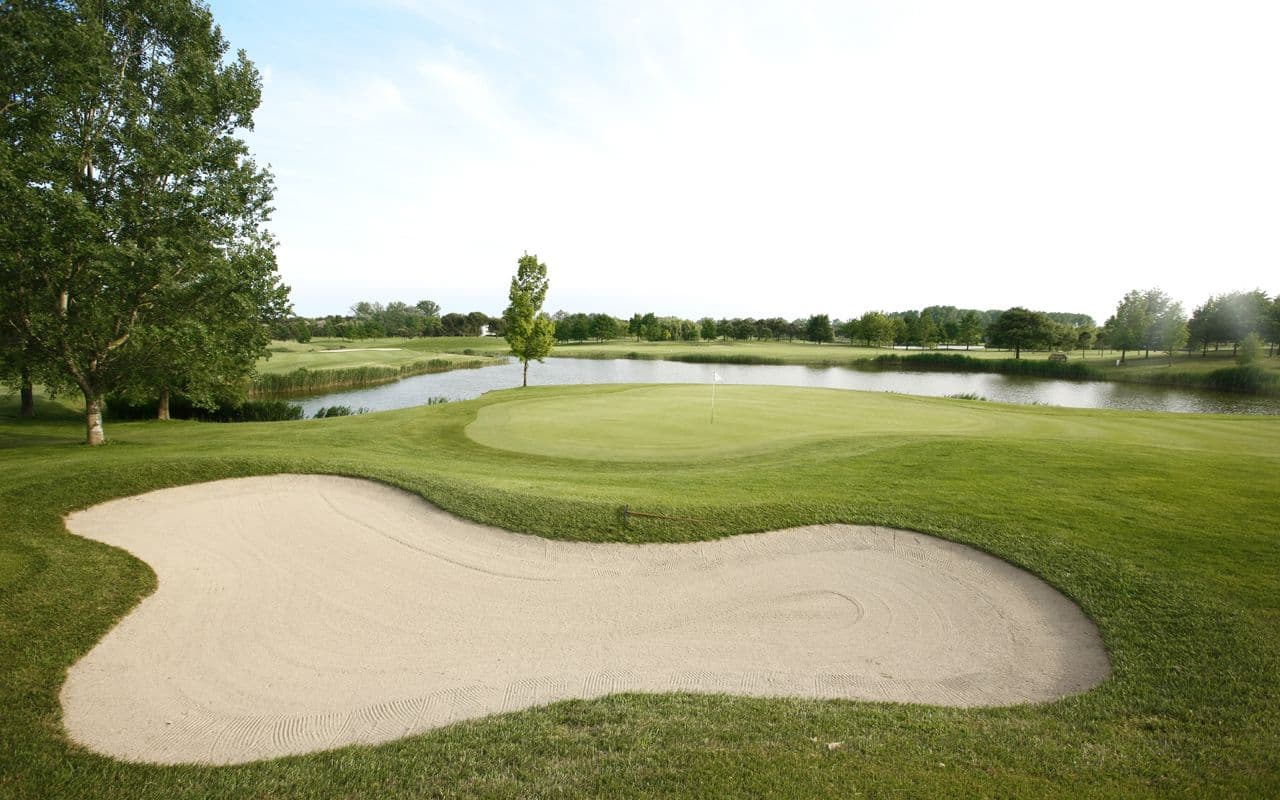
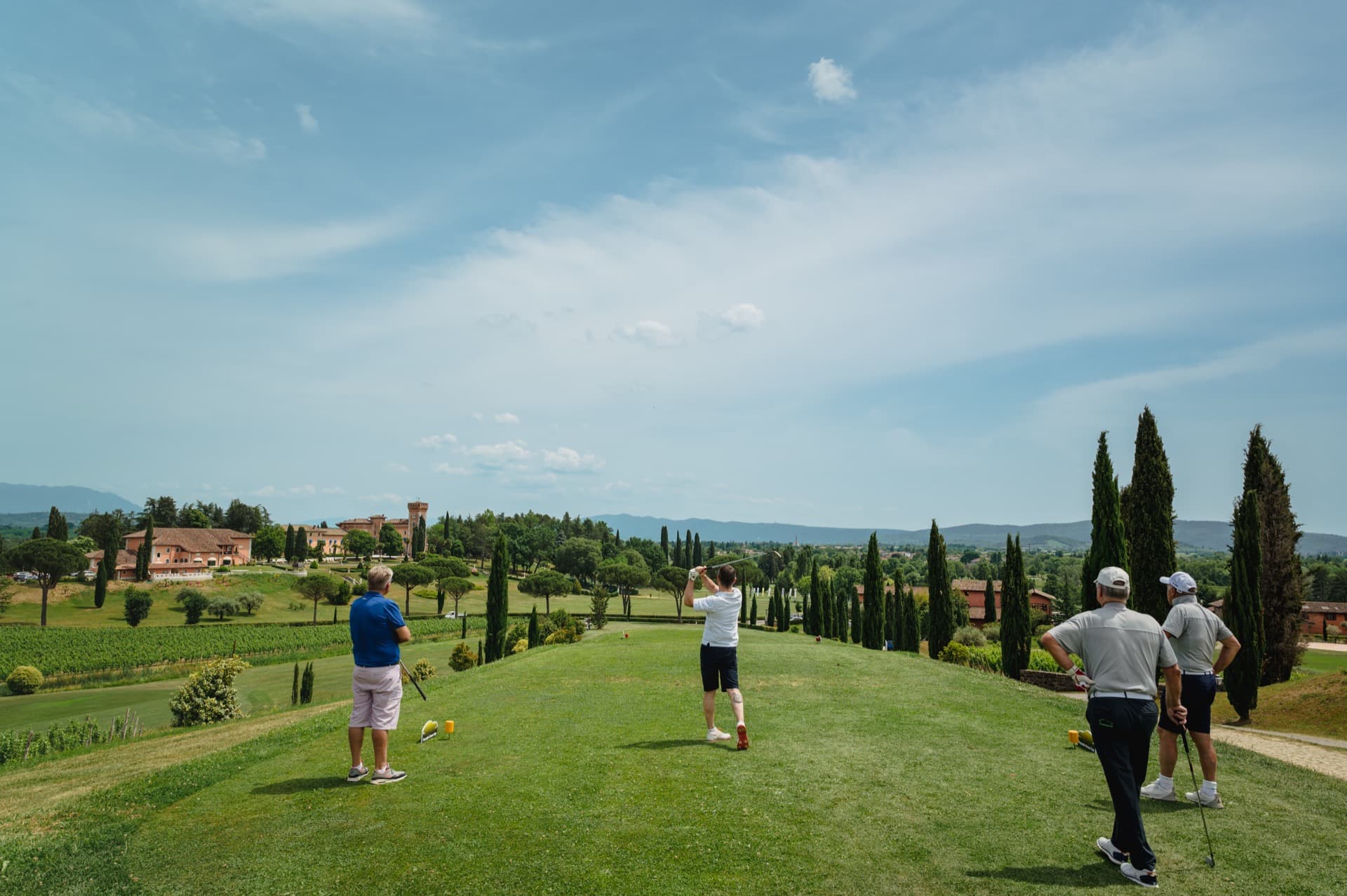
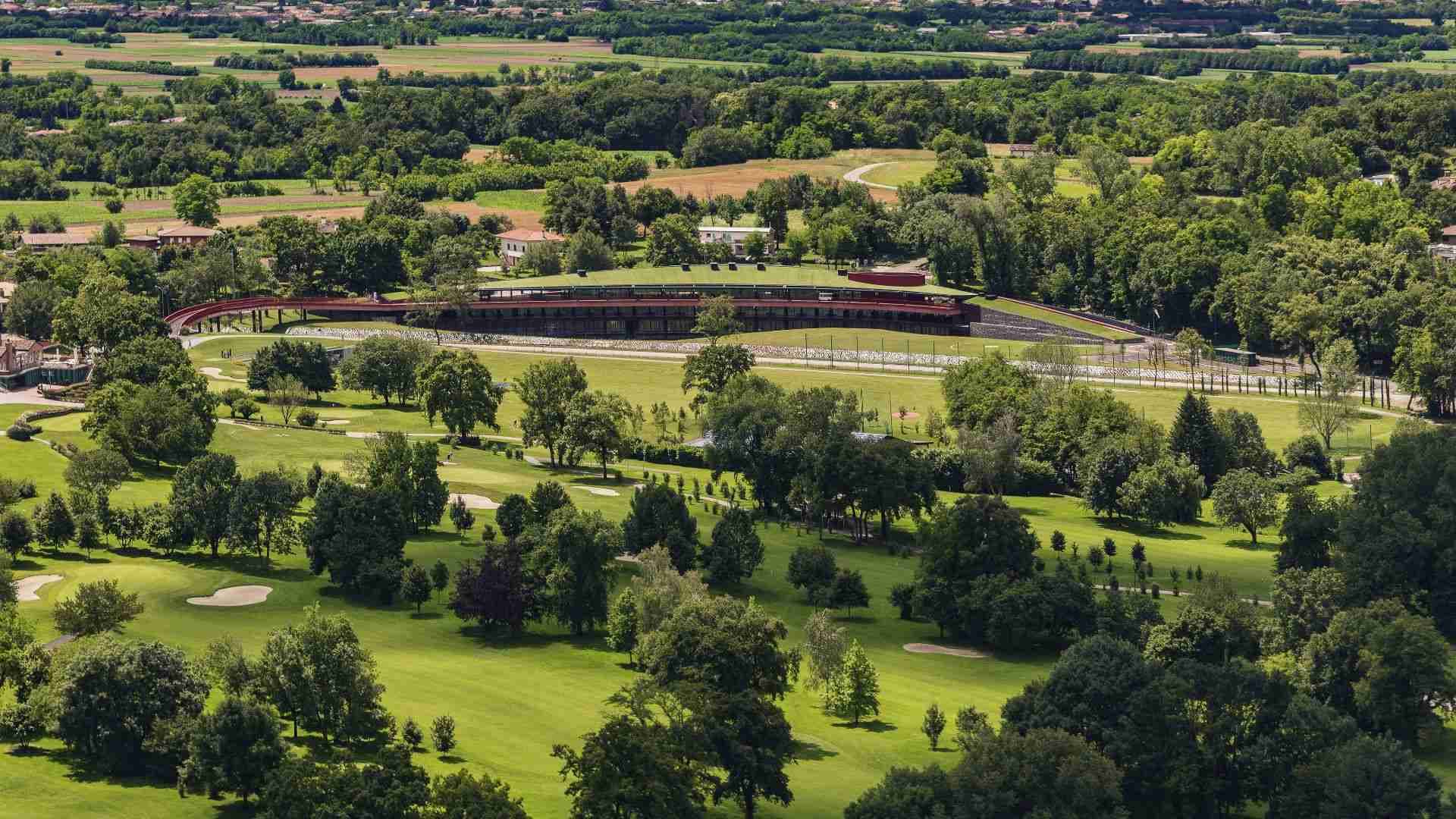
Golf Club Udine is one of the clearest expressions of sporting substance in north-eastern Italian golf. Set within a composed green landscape, with fairways that are only apparently generous and greens of consistently strong quality, it offers a balanced, serious test best approached with method rather than impulse. The architecture favours control and line selection: nothing feels theatrical, yet each hole serves a clear purpose. The overall impression is of a dependable, well-maintained club capable of welcoming demanding players without unnecessary stiffness. Beyond the course, its Friulian setting opens the door to a refined itinerary of white wines, borderland cuisine and a gentler regional rhythm than more exposed destinations. Udine never tries to impress too loudly, which is exactly why it earns respect. It is the kind of club that quietly stays in your rotation — not because of spectacle, but because of complete and lasting quality.
Giocalo con una strategia conservativa nelle prime nove e attacca solo quando il campo ti concede davvero l’angolo giusto: Udine premia lucidità più che aggressività.
Solid, well-maintained, and technically credible course
Excellent base for a golf and wine itinerary in Friuli
Less iconic in terms of scenery compared to other alpine or lagoon clubs
Requires constant attention to achieve a good score
Golf Club Udine is one of the clearest expressions of sporting substance in north-eastern Italian golf. Set within a composed green landscape, with fairways that are only apparently generous and greens of consistently strong quality, it offers a balanced, serious test best approached with method rather than impulse. The architecture favours control and line selection: nothing feels theatrical, yet each hole serves a clear purpose. The overall impression is of a dependable, well-maintained club capable of welcoming demanding players without unnecessary stiffness. Beyond the course, its Friulian setting opens the door to a refined itinerary of white wines, borderland cuisine and a gentler regional rhythm than more exposed destinations. Udine never tries to impress too loudly, which is exactly why it earns respect. It is the kind of club that quietly stays in your rotation — not because of spectacle, but because of complete and lasting quality.
On the technical side, the course is a parkland layout of 18 holes playing to a par of 72 with a slope rating of 136. Visitor ratings underline the point: outstanding course standard.
The best time to visit Golf Club Udine is April, May, June, July, August, September, October. Among its most appreciated strengths: Solid, well-maintained, and technically credible course; Excellent base for a golf and wine itinerary in Friuli.
The facilities include putting green, driving range, restaurant, pro shop, cart rental, caddy on request.
The nearest airport is Roma Fiumicino (FCO), approximately 1 hour by car.
What is the best time to play?+
The best time to play is April, May, June, July, August, September, October. Outside this window the club may be closed or operating with reduced services.
Is a handicap certificate required?+
Golf Club Udine does not specify a mandatory minimum handicap for visiting players. We recommend contacting the club to confirm their current policy.
How do I get to the club?+
The nearest airport is Roma Fiumicino (FCO), approximately 1 hour by car. Car rental is recommended for maximum flexibility.
Is there on-site accommodation?+
Golf Club Udine does not have on-site accommodation. There are various lodging options in the surrounding area; contact the club for partner recommendations.
How many holes does the course have, and how challenging is it?+
The course has 18 holes playing to a par of 72 with a slope rating of 136. It is a demanding course best suited to experienced players.
Exclusive Experiences
Secrets found in no guidebook, curated by our concierge.
Palazzo Patriarcale di Udine: il Tiepolo Nascosto
The Patriarchal Palace in Udine preserves a cycle of early frescoes by Giambattista Tiepolo — painted between 1726 and 1728 — that many scholars consider his most instinctive and pure work. The Diocesan Museum inside opens the piano nobile rooms for private visits: the Patriarch's apartments with ceilings painted by Tiepolo are normally closed to the public.
“The Diocesan Museum director accepts private visits for groups of up to 4 on Wednesday mornings. Bring binoculars: the facial details of the angels in the ceiling of the Fall of the Rebel Angels can only be seen from above.”
Livio Felluga: il Friulano che Invecchia
Livio Felluga was the first producer who dared to age Friulano (then Tocai) beyond 2 years, proving that Friuli's symbolic white wine could develop decadal complexity. The Terre Alte — a blend of Friulano, Pinot Bianco, and Sauvignon — is today regularly aged 15-20 years. The private cellar vertical is among Italy's most instructive wine experiences.
“Elda Felluga opens the 1987 Terre Alte — the year her father decided the wine would no longer be consumed young — only for those who know the history of Tocai before the name change imposed by Hungary.”
Terme di Arta: le Acque della Carnia
The Terme di Arta are set in an Alpine valley of the Carnia at 442 metres: radioactive radon waters emerge at 12°C from a spring the Romans used and are heated for hydrotherapy. The absolute isolation — no mobile signal, no WiFi — is part of the therapeutic protocol. Three days here equate to two weeks of conventional holiday for nervous system recovery.
“Doctor Bortolotti, thermal physician for 30 years, prescribes a personalised programme based on blood analysis performed on arrival. The 48 hours without screens are the main ingredient of the protocol, not a side effect.”
Osteria Agli Amici — Il Friuli nel Piatto
In Godia, minutes north of Udine, the Scarello family has kept alive a kitchen that refuses compromise: crisp frico, herb-filled cjarsons, Carnic meats. A Michelin star earned without ever betraying the peasant roots of the land.
“Book ahead and trust the tasting menu — that is where Emanuele Scarello narrates Friuli with the precision of someone who has never left it.”
Lago di Cornino — Lo Specchio Nascosto del Tagliamento
Nestled beneath the Carnian pre-Alps, this small emerald lake is a nature reserve and sanctuary for griffon vultures that soar above its limestone walls. Fed by the Tagliamento aquifer, its water holds an almost unreal clarity, quiet even in the height of summer.
“Come at dawn — the griffons rise with the first thermals and the lake mirrors the shadow-edged ridgelines in a silence that no guidebook can sell.”
Castello di Udine — La Città dall'Alto
The castle presides over Udine from a Lombard-era artificial hill, housing the Civic Museums with works by Giambattista Tiepolo and a collection of Friulian antiquities that few visitors truly explore. This is no ordinary museum: it is the layered memory of a city that was capital of the Patriarchate and crossroads between the Latin and Slavic worlds. Climbing here at dusk means reading Friuli as a living map beneath your feet.
“The castle's inner courtyards are almost always deserted in the late afternoon — a rare silence just steps from the city centre.”
Valle del Torre — Il Greto Selvatico
The Torre river descends from the Julian Prealps and carves, before joining the Tagliamento, a wide stony riverbed that in summer becomes an almost lunar landscape — silent and patrolled by grey herons. The nature reserve surrounding it is one of Friuli's most intact wetland areas, threaded by paths that follow bends where the current slows and the water turns crystal clear. This is where you understand that north-eastern Italy still holds something primitive and untouched.
“On September mornings, mist rises from the riverbed at dawn and creates a low-fog effect that looks like something out of a Segantini painting.”
Similar Clubs
Other courses that match your taste — curated by our concierge.