Golf Club Perugia
A fine expression of Umbria's quieter form of luxury
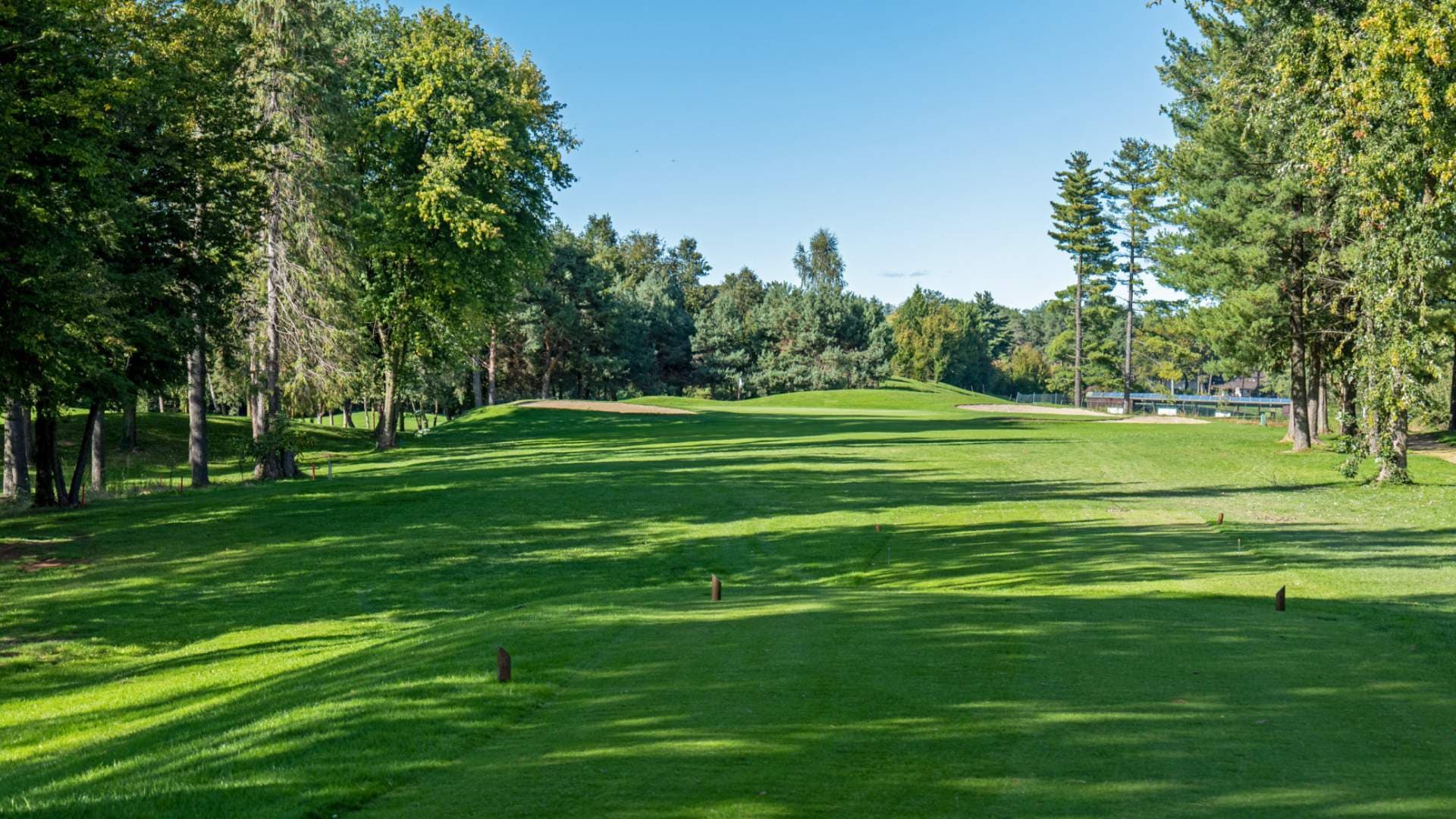
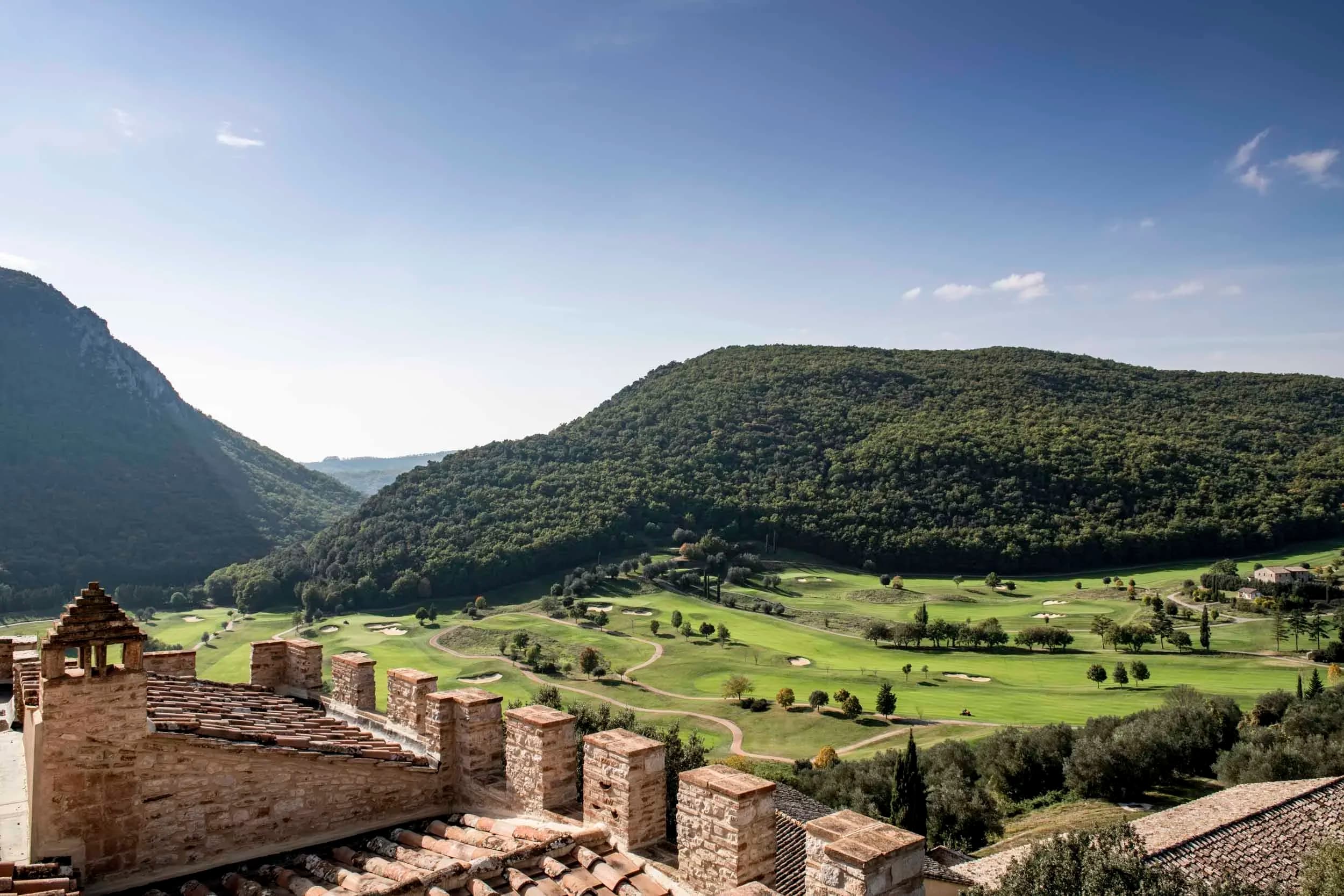
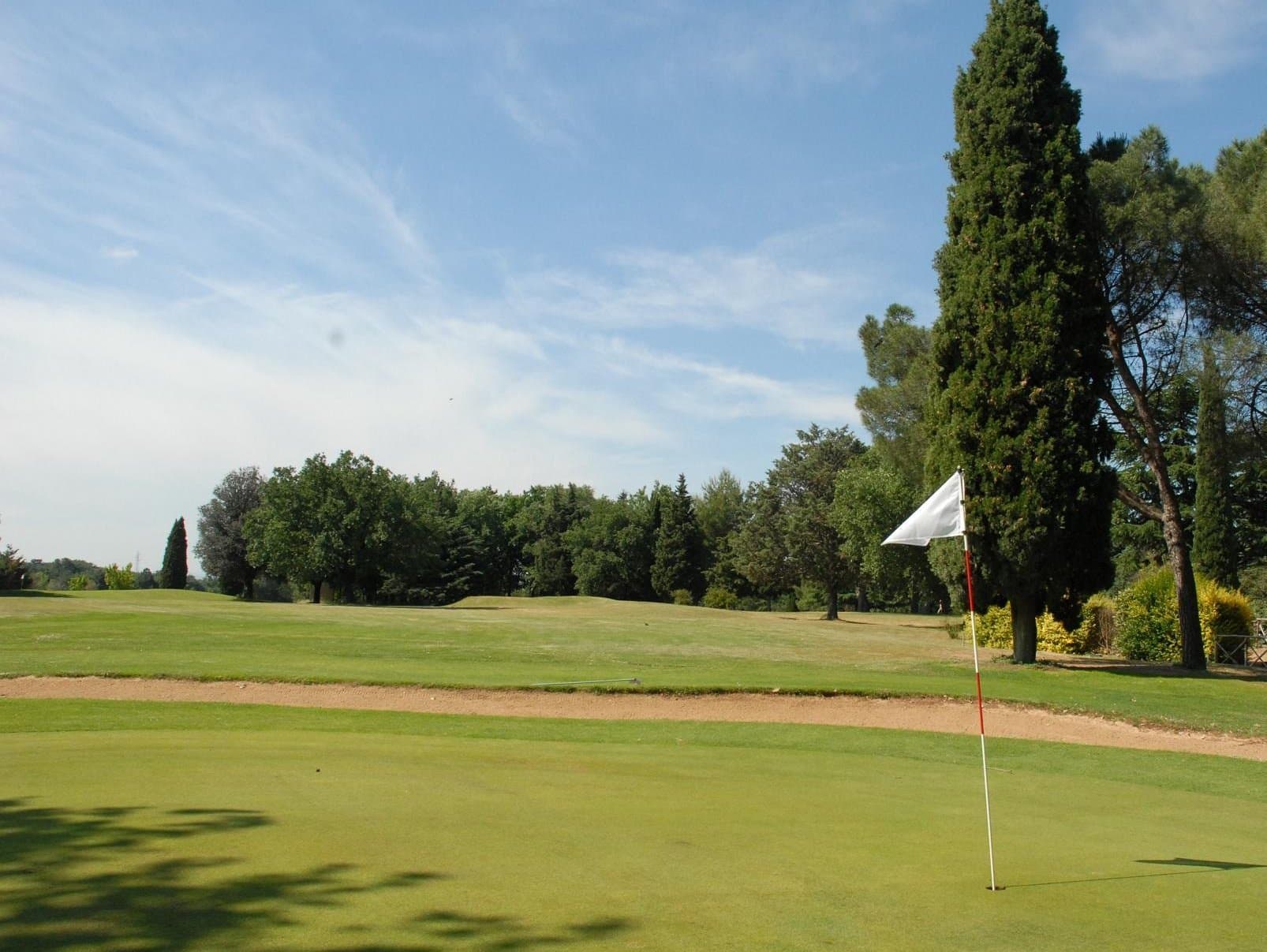
Golf Club Perugia is a fine expression of Umbria's quieter form of luxury: soft hills, olive trees, golden light and a course that reveals itself gradually rather than theatrically. The layout moves naturally across the terrain, with moderate elevation changes, clear playing lines and an architecture that challenges players who prefer positioning and thoughtful choices over constant aggression. This is golf shaped by rhythm rather than noise. It works best as part of a more considered Umbrian stay, paired with hill towns, restrained but beautiful food, local wines and landscape-led days. Perugia is not a club to flaunt; it is a club to recommend. For travellers looking for proportion, quality and a setting that resets the tempo of a trip, it remains one of central Italy's most satisfying addresses. Technical enough to stay interesting, elegant without showmanship, it is a genuine hidden classic.
Dedica tempo anche al putting green prima di partire: a Perugia il giro si difende soprattutto sul controllo della velocità, non sulla distanza dal tee.
Elegant and relaxing Umbrian atmosphere
Harmonious, technical, and well-calibrated course for many levels
Less iconic for those seeking big-name architectural designs
The experience is heavily influenced by the surrounding territory
Golf Club Perugia is a fine expression of Umbria's quieter form of luxury: soft hills, olive trees, golden light and a course that reveals itself gradually rather than theatrically. The layout moves naturally across the terrain, with moderate elevation changes, clear playing lines and an architecture that challenges players who prefer positioning and thoughtful choices over constant aggression. This is golf shaped by rhythm rather than noise. It works best as part of a more considered Umbrian stay, paired with hill towns, restrained but beautiful food, local wines and landscape-led days. Perugia is not a club to flaunt; it is a club to recommend. For travellers looking for proportion, quality and a setting that resets the tempo of a trip, it remains one of central Italy's most satisfying addresses. Technical enough to stay interesting, elegant without showmanship, it is a genuine hidden classic.
On the technical side, the course is a parkland layout of 18 holes playing to a par of 72 with a slope rating of 133. Visitor ratings underline the point: excellent value for money.
The best time to visit Golf Club Perugia is April, May, June, September, October. Among its most appreciated strengths: Elegant and relaxing Umbrian atmosphere; Harmonious, technical, and well-calibrated course for many levels.
The facilities include putting green, driving range, restaurant, pro shop.
The nearest airport is Perugia S. Francesco (PEG), approximately 35 minutes by car.
What is the best time to play?+
The best time to play is April, May, June, September, October. Outside this window the club may be closed or operating with reduced services.
Is a handicap certificate required?+
Golf Club Perugia does not specify a mandatory minimum handicap for visiting players. We recommend contacting the club to confirm their current policy.
How do I get to the club?+
The nearest airport is Perugia S. Francesco (PEG), approximately 35 minutes by car. Car rental is recommended for maximum flexibility.
Is there on-site accommodation?+
Golf Club Perugia does not have on-site accommodation. There are various lodging options in the surrounding area; contact the club for partner recommendations.
How many holes does the course have, and how challenging is it?+
The course has 18 holes playing to a par of 72 with a slope rating of 133. It is a demanding course best suited to experienced players.
Exclusive Experiences
Secrets found in no guidebook, curated by our concierge.
Lungarotti: il Torgiano Riserva Monticchio
Giorgio Lungarotti invented the Torgiano DOC in 1968 and son Michele later created the Riserva Vigna Monticchio — a Sangiovese aged 10 years that is Umbria's most long-lived wine. The Lungarotti Wine Museum at Torgiano, built by the family, houses the historic cellar with verticals: one of Italy's most complete oenological institutions with 3,000 years of documented wine history.
“Teresa Severini Lungarotti opens the 1968 Riserva — the first DOC vintage in Tusco-Umbrian history — only for those who visit the museum before the cellar. She asks you to identify the 1st-century BC Roman ampulla on the second floor: whoever finds it receives a special vertical.”
Ipogeo dei Volumni: la Necropoli Etrusca
The Ipogeo dei Volumni is the best-preserved Etruscan tomb in central Italy: built in the 3rd century BC for the Volumni family, it has 9 travertine sarcophagi still in situ with original Etruscan inscriptions. The National Archaeological Museum of Umbria organises private access to the main funerary chamber — normally visited only through a glass partition — accompanied by an Etruscologist.
“Etruscologist Prof. Agostiniani deciphers the sarcophagus inscriptions live: three of the nine Volumni family members are connected to medieval Perugia's aristocratic families whose descendants still inhabit the city.”
Galleria Nazionale dell'Umbria: il Crepuscolo dei Maestri
The National Gallery of Umbria at the Palazzo dei Priori holds Umbria's most important painting cycle: Perugino, Pinturicchio, Duccio di Buoninsegna. The director organises private visits at dusk when the rooms empty: the last daylight through the medieval twin windows creates illumination on the 14th-century gold panels identical to the original.
“Director Veruschka Zanetti opens the medieval panel rooms at 7:30 PM when staff is minimal: the gold-ground panels lit by the raking sunset light reveal details of the fine gold that modern LED lighting completely erases.”
Trattoria Dal Mi' Cocco — Il Tavolo Comune
Along Corso Garibaldi, a stone's throw from the university, Dal Mi' Cocco has held its ground for decades with the same logic: communal tables, handwritten daily menu, zero concessions to tourism. You sit beside strangers and eat what's available — strangozzi with truffle, slow roasts, grandmother's desserts. It's where Perugians return when they need reminding why they live here.
“Arrive before 1 p.m. without a reservation: the tables fill in twenty minutes and they wait for no one.”
Bettona — La Città Invisibile
Intact within its Etruscan walls, Bettona sits on the Umbrian plain like a secret no one has bothered to reveal. Unlike Assisi — visible across the valley — no tour buses come here. The Pinacoteca Comunale holds two panels by Perugino in a room where you are often alone, with that low light filtering through medieval windows.
“Climb to the Rocca at sunset: the view over the Tiber valley and Assisi's silhouette is one of the most honest in all of Umbria.”
Similar Clubs
Other courses that match your taste — curated by our concierge.