Golf Club Le Pavoniere
Just outside Prato, Le Pavoniere brings Arnold Palmer's design signature into a Tuscan se...
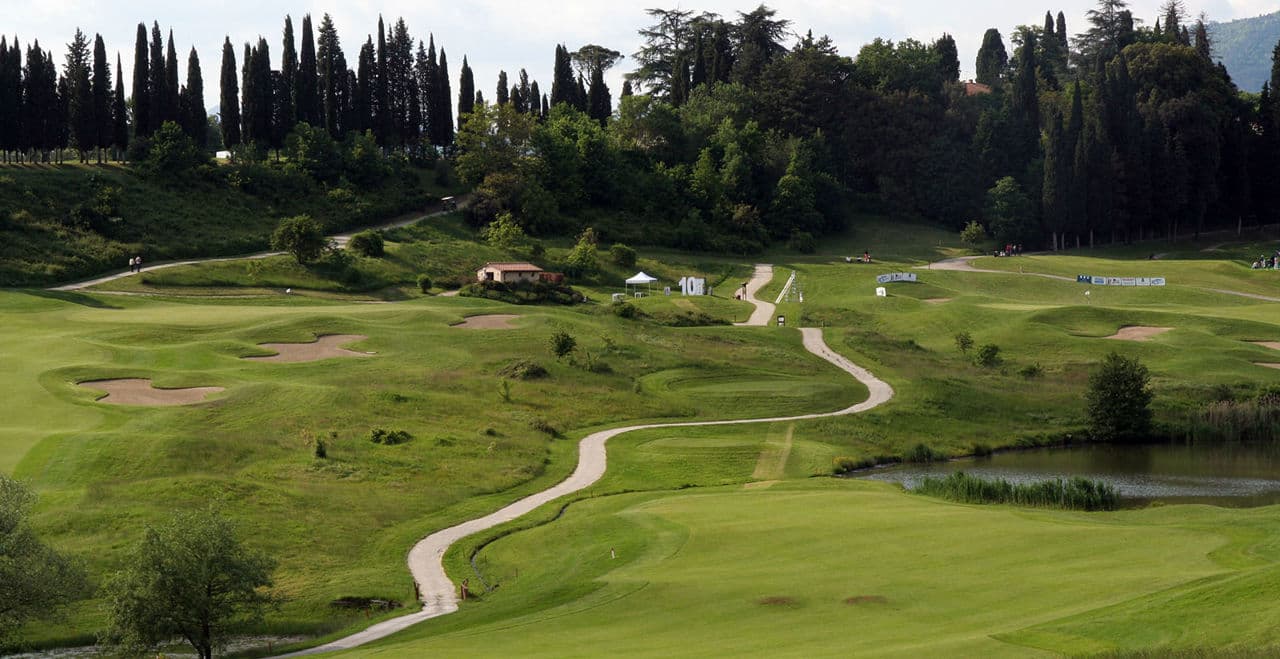
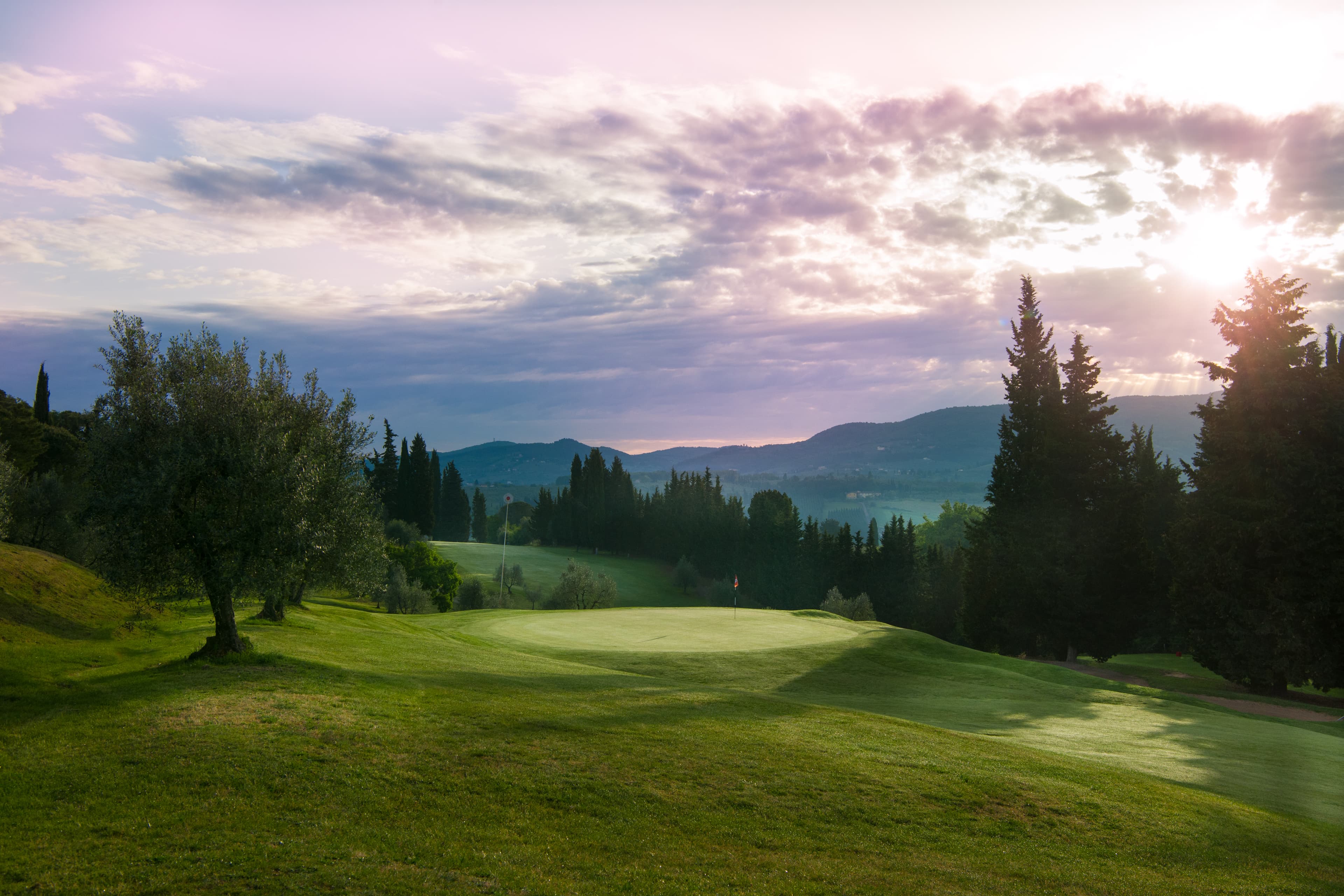
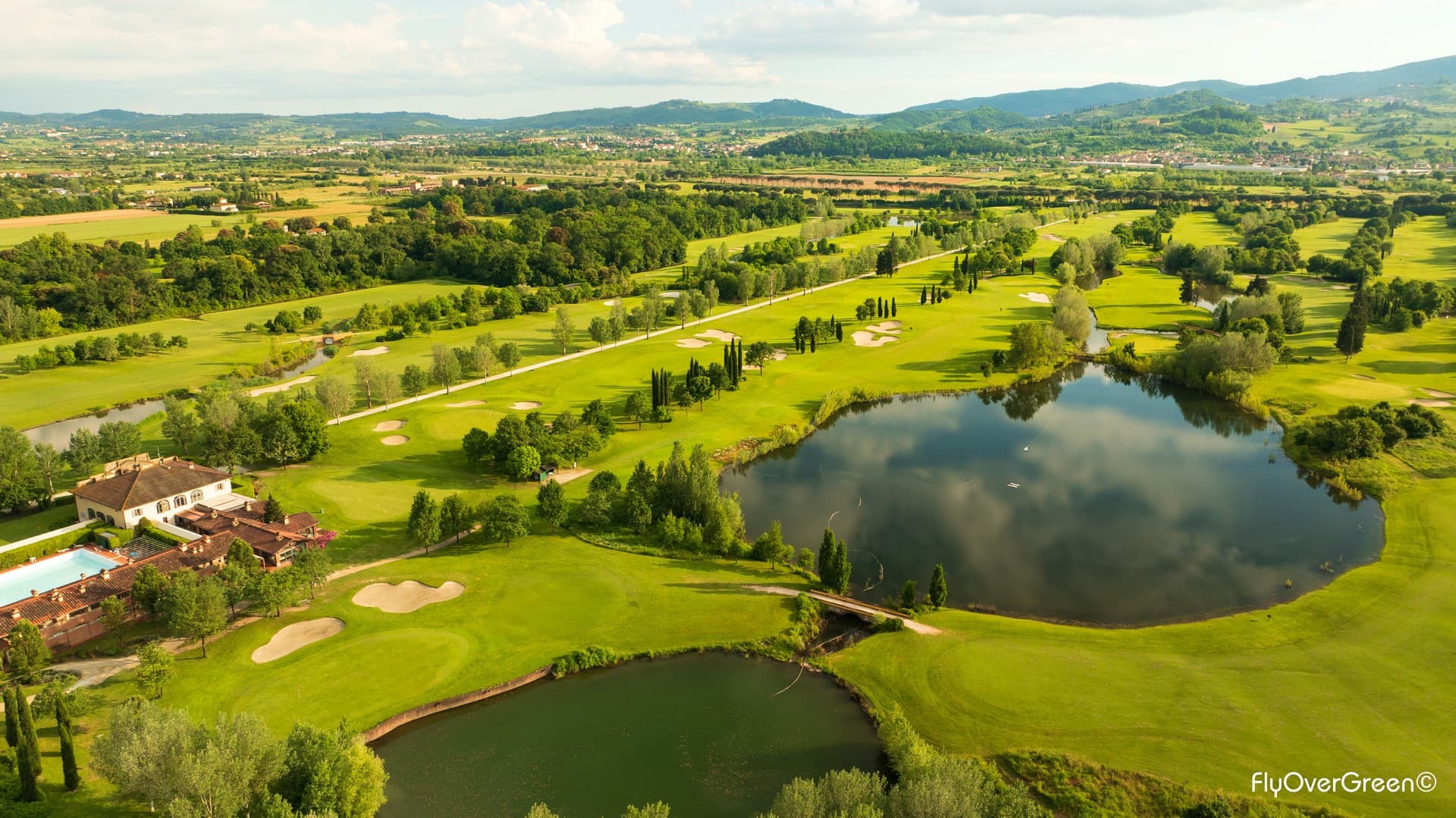
Just outside Prato, Le Pavoniere brings Arnold Palmer's design signature into a Tuscan setting that may be less publicised than others, yet is highly effective from a golfing standpoint. The course sits within an elegant estate and uses water, apparently generous fairways and intelligently defended greens to create a thoughtful challenge. The architectural language is international, but the atmosphere remains pleasingly Italian: welcoming, restrained, rich in food culture and well connected to art cities such as Florence, Lucca and Pistoia. Le Pavoniere is ideal for travellers who want quality golf within a broader cultural itinerary rather than an isolated resort experience. Technically, it asks for rhythm and positional awareness, especially when the wind appears or water begins to narrow the preferred lines. It is a sober but very dependable choice, particularly for guests who value substance over spectacle.
Funziona benissimo come round “colto” dentro una giornata toscana: gioca al mattino, poi spostati verso Firenze o le ville medicee senza sacrificare il ritmo del viaggio.
Important brand and good connection with the Tuscan cultural axis
Modern and technical course without excessive punishment
Less iconic than the great Tuscan resort names
The urban context of Prato is less evocative than Val d'Orcia or Maremma
Just outside Prato, Le Pavoniere brings Arnold Palmer's design signature into a Tuscan setting that may be less publicised than others, yet is highly effective from a golfing standpoint. The course sits within an elegant estate and uses water, apparently generous fairways and intelligently defended greens to create a thoughtful challenge. The architectural language is international, but the atmosphere remains pleasingly Italian: welcoming, restrained, rich in food culture and well connected to art cities such as Florence, Lucca and Pistoia. Le Pavoniere is ideal for travellers who want quality golf within a broader cultural itinerary rather than an isolated resort experience. Technically, it asks for rhythm and positional awareness, especially when the wind appears or water begins to narrow the preferred lines. It is a sober but very dependable choice, particularly for guests who value substance over spectacle.
On the technical side, the course is a parkland layout of 18 holes playing to a par of 72 with a slope rating of 134. Visitor ratings underline the point: outstanding course standard.
The best time to visit Golf Club Le Pavoniere is April, May, June, September, October. Among its most appreciated strengths: Important brand and good connection with the Tuscan cultural axis; Modern and technical course without excessive punishment.
The facilities include putting green, driving range, restaurant, pro shop, cart rental, caddy on request.
The nearest airport is Firenze Vespucci (FLR), approximately 1 hour by car.
What is the best time to play?+
The best time to play is April, May, June, September, October. Outside this window the club may be closed or operating with reduced services.
Is a handicap certificate required?+
Golf Club Le Pavoniere does not specify a mandatory minimum handicap for visiting players. We recommend contacting the club to confirm their current policy.
How do I get to the club?+
The nearest airport is Firenze Vespucci (FLR), approximately 1 hour by car. Car rental is recommended for maximum flexibility.
Is there on-site accommodation?+
Golf Club Le Pavoniere does not have on-site accommodation. There are various lodging options in the surrounding area; contact the club for partner recommendations.
How many holes does the course have, and how challenging is it?+
The course has 18 holes playing to a par of 72 with a slope rating of 134. It is a demanding course best suited to experienced players.
Exclusive Experiences
Secrets found in no guidebook, curated by our concierge.
Capezzana: il Carmignano di Cosimo III
Carmignano is Tuscany's oldest DOCG: Cosimo III de' Medici established it in 1716. Tenuta di Capezzana produces Carmignano from vines planted in 1967 by Count Ugo Contini Bonacossi — Cabernet Franc has been here for 300 years, brought by the Bourbons who exchanged plants with the Medici. The private vertical covers 50 years of this forgotten wine.
“Beatrice Contini Bonacossi shows the original 1716 Medici decree in the estate archive: it is the world's oldest wine denomination document, preceding Port by 100 years. Ask to see it — it hangs in the library.”
Duomo di Prato: gli Affreschi di Filippo Lippi
Filippo Lippi's fresco cycle in Prato's Duomo is one of the Italian Quattrocento's masterpieces: Lippi worked for 12 years (1452-1466) while conducting his scandalous affair with the nun Lucrezia Buti. The Duomo Museum organises access to the organ loft — normally closed — with a close-up view of the frescoes from 3 metres away.
“Conservator Dr Neri opens the organ loft on Tuesday mornings: bring binoculars and look at Salome's face — it is the portrait of Lucrezia Buti, the nun Lippi kidnapped from her convent and later married with papal dispensation.”
Villa Medicea di Poggio a Caiano: il Giardino Segreto
The Villa Medicea di Poggio a Caiano is Lorenzo the Magnificent's hunting residence designed by Giuliano da Sangallo — the first Renaissance villa in history. The Tuscan Museum Pole organises private access to the monumental garden beyond the moat, normally closed: 4 hectares of Renaissance wilderness with the oak planted by Lorenzo.
“Historic gardener Alvaro Funaioli guides the secret garden on Wednesday mornings: he shows the medicinal well where Lorenzo the Magnificent had therapeutic teas prepared and the cork oak of 1490 still alive.”
Osteria Cibbe — La Cucina Pratese Autentica
In the heart of Prato, Osteria Cibbe guards the city's culinary tradition with an almost stubborn fidelity: sedani alla pratese, cantucci in vin santo, tripe prepared as the grandmothers made it. There is no trace of gastronomic tourism here — just close-set tables and animated conversation among locals who have been coming for decades.
“Come without a reservation on Thursday at lunch when they serve bollito misto — it's the day Prato's textile merchants seal their deals over a steaming plate.”
Museo del Tessuto — L'Industria che ha Fatto Prato
Prato would not be Prato without textiles, and this museum housed inside a former industrial chimney tells that story with rare candor: from medieval cloth to the regenerated wool of the twentieth century, to the technical fabrics that dress today's Paris runways. It is one of those places where you understand how an entire city built its identity with its hands.
“Ask the staff to show you the restoration laboratory on the upper floor, where conservators work on antique samples — it's not on the brochure but is often open to curious visitors.”
Riserva Naturale Acquerino-Cantagallo — Le Faggete dell'Appennino Pratese
Less than half an hour from the fairway, the Prato Apennines open into ancient beech forests where silence is broken only by mountain streams. The reserve holds intact ecosystems, moss-lined trails and unexpected clearings that feel lifted from a Carducci poem. This is the real mountain — the one locals know and keep to themselves.
“Climb to the Croce di Cantagallo at sunset — the raking light on the beeches rivals any museum.”
Grotta Giusti Terme — Il Vapore della Terra
Inside a natural cave discovered in 1849 — promptly frequented by Giuseppe Verdi — thermal waters at 34°C generate dense steam across three chambers named Paradise, Purgatory, and Hell. This is not a spa in the modern sense: it is a geological place where the body surrenders to the earth. The outdoor pool is lovely, but the cave is the experience.
“Book the cave first thing in the morning before groups arrive — twenty minutes alone in the Inferno changes your entire day.”
Similar Clubs
Other courses that match your taste — curated by our concierge.