Dolomiti Golf Club
In Val di Non, among orderly apple orchards and mountain profiles of extraordinary clarity
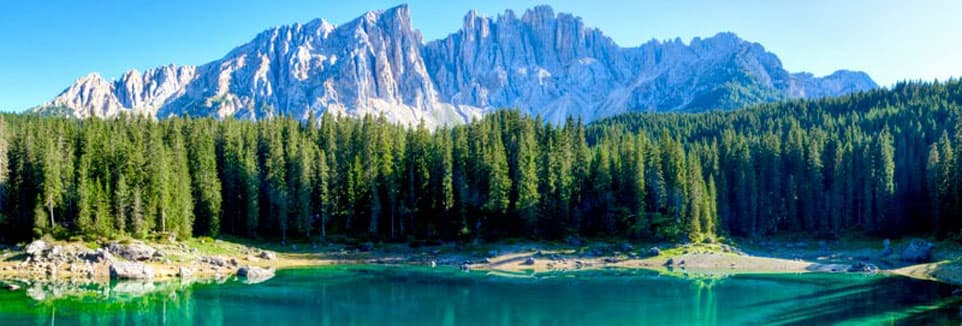
In Val di Non, among orderly apple orchards and mountain profiles of extraordinary clarity, Dolomiti Golf Club offers one of the most convincing alpine golf experiences in Italy. The course unfolds at a cool elevation across broad, varied ground, with fairways that sit naturally within the landscape and greens that demand thoughtful shot-making. There is a distinct quality of air, silence and light here that makes every round feel far removed from urban or coastal settings. The golf becomes almost contemplative, while remaining technically serious. The longer holes reward patient construction, the shorter ones give away little and the overall tone retains an elegant competitive edge. For high-end travellers, it combines beautifully with mountain hospitality, spa time, refined Trentino cuisine and slower days. Dolomiti is not simply a beautiful course; it represents a shift in atmosphere and a different expression of luxury — cooler, quieter and more precise.
Porta con te uno strato in più anche in estate: il clima ti aiuta a giocare meglio, ma in montagna la temperatura cambia rapidamente e conviene essere pronti.
One of Italy's best alpine golf experiences
Scenic views, fresh air, and maintenance create a memorable atmosphere
Requires dedicated travel outside classic city-lake circuits
Altitude and climate can surprise those who are unaccustomed
In Val di Non, among orderly apple orchards and mountain profiles of extraordinary clarity, Dolomiti Golf Club offers one of the most convincing alpine golf experiences in Italy. The course unfolds at a cool elevation across broad, varied ground, with fairways that sit naturally within the landscape and greens that demand thoughtful shot-making. There is a distinct quality of air, silence and light here that makes every round feel far removed from urban or coastal settings. The golf becomes almost contemplative, while remaining technically serious. The longer holes reward patient construction, the shorter ones give away little and the overall tone retains an elegant competitive edge. For high-end travellers, it combines beautifully with mountain hospitality, spa time, refined Trentino cuisine and slower days. Dolomiti is not simply a beautiful course; it represents a shift in atmosphere and a different expression of luxury — cooler, quieter and more precise.
On the technical side, the course is a mountain layout of 18 holes playing to a par of 73 with a slope rating of 139. Visitor ratings underline the point: striking natural setting, excellent value for money.
The best time to visit Dolomiti Golf Club is May, June, July, August, September. Among its most appreciated strengths: One of Italy's best alpine golf experiences; Scenic views, fresh air, and maintenance create a memorable atmosphere.
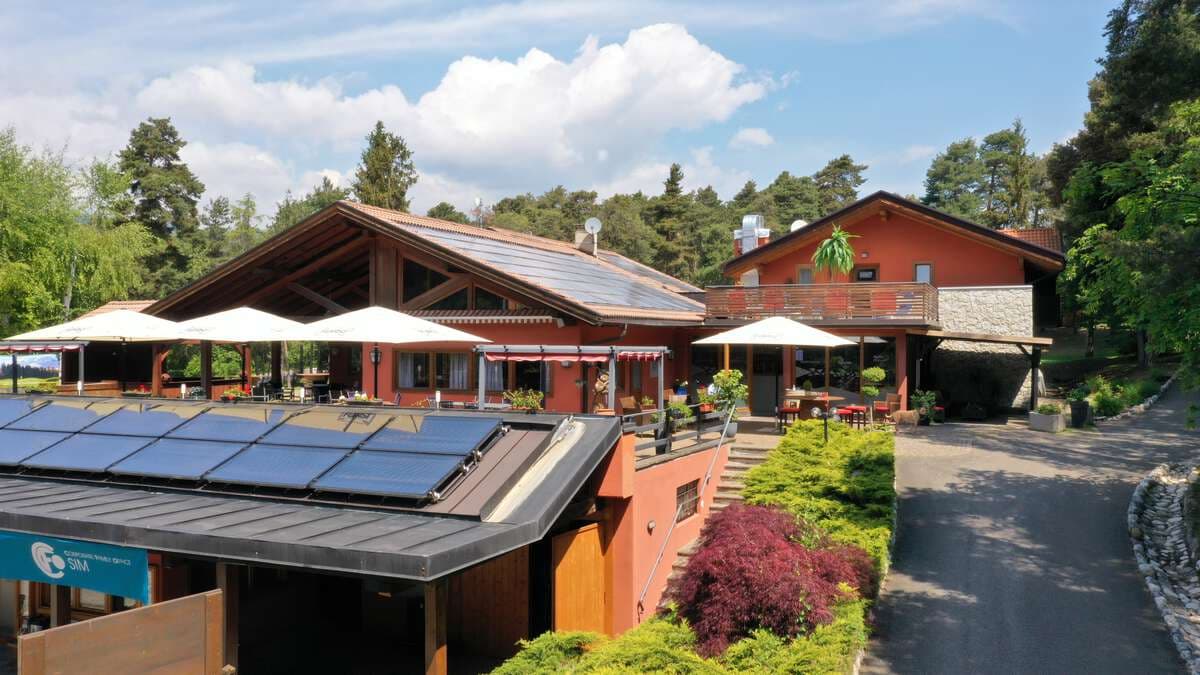
The facilities include putting green, driving range, restaurant, pro shop.
The nearest airport is Bolzano (BZO), approximately 30 minutes by car.
What is the best time to play?+
The best time to play is May, June, July, August, September. Outside this window the club may be closed or operating with reduced services.
Is a handicap certificate required?+
Dolomiti Golf Club does not specify a mandatory minimum handicap for visiting players. We recommend contacting the club to confirm their current policy.
How do I get to the club?+
The nearest airport is Bolzano (BZO), approximately 30 minutes by car. Car rental is recommended for maximum flexibility.
Is there on-site accommodation?+
Dolomiti Golf Club does not have on-site accommodation. There are various lodging options in the surrounding area; contact the club for partner recommendations.
How many holes does the course have, and how challenging is it?+
The course has 18 holes playing to a par of 73 with a slope rating of 139. It is a demanding course best suited to experienced players.
Exclusive Experiences
Secrets found in no guidebook, curated by our concierge.
Castel Thun: il Castello Intatto
Castel Thun in the Val di Non is the best-preserved medieval castle in Trentino: continuously inhabited by the Thun family from 1200 to 1992 — 800 years in the same family — it is now a provincial museum. The private apartments on the third floor, inhabited by the last Count Thun, are accessible only on special authorisation from the Provincial Museum.
“Provincial conservator Dr Tecchiati opens the count's apartments on Tuesday mornings for groups of 4: the last count's desk still has the books open from 1992, as if he left yesterday. The medieval kitchen with the roasting spit is still functional.”
Foradori: Granato Teroldego Verticale
Elisabetta Foradori saved Teroldego Rotaliano from viticultural extinction: the Granato — pure Teroldego in terracotta amphora — is today considered one of Italy's 50 most significant wines. The Val di Non produces prestigious apples but the Mezzolombardo porphyry field produces a Teroldego with grand cru structure that challenges Barolo and Amarone.
“Elisabetta Foradori takes guests to the Mezzolombardo porphyry field at 6:00 AM during harvest: she explains how red porphyry 15 cm underground reflects night heat into the clusters and why porphyry Teroldego is completely different from the gravel one.”
Terme di Rabbi: le Acque Ferruginose delle Dolomiti
The Terme di Rabbi in the Val di Rabbi are among Italy's most isolated and authentic: 9 ferruginous and oligomineral springs emerge from gneiss fissures at 1,200 metres altitude. The thermal centre is run by the Rabbi cooperative identically to how it was in 1860: granite pools, spring mud, no WiFi, mandatory silence in the communal rooms.
“Thermal physician Dr Andreolli prescribes the Gneis Profondo protocol — 12 spring mud applications with balneocardiology integration — available only July-August on a 6-month waiting list. Worth the wait: it is the most complete thermal treatment in the Italian Alpine arc.”
Malga Spora — Il Sapore dell'Altopiano
Reached by a small cable car from Tuenno, Malga Spora sits at 1,700 metres with the quiet confidence of a place that has nothing to prove. The food comes straight from the farm: hand-pressed cheeses, spinach canederli, smoked meat with a faint scent of pine. The air up here has a different texture, and lunch stretches on without anyone minding.
“Call ahead before you ride up — the season is short, tables are few, and the cable car runs on its own schedule.”
Lago di Tovel — Il Lago che Rosseggiava
For centuries, Lago di Tovel turned blood-red every summer, then stopped in 1964 without explanation. Today the water stays clear and cold, set among the Brenta Dolomites like a stone the glaciers forgot to take with them. The path that circles the shore is nearly always empty in the early morning hours, when the surface is still and the fir forest holds its breath.
“Come at dawn or dusk — in summer the crowds cluster at midday and whatever spell the place holds dissolves in the noise.”
Similar Clubs
Other courses that match your taste — curated by our concierge.